







Search Results for: traditional black tea
What is the difference between traditional black tea and new-process black tea? Which has a better taste, traditional Dianhong or sun-dried black tea?
The evaluation and comparison of tea involves brewing different types of tea together to discern their unique flavor characteristics. This approach is not only useful for distinguishing teas from different brands, origins, and grades, but also helps tea drinkers train their palates to perceive the subtle differences within tea leaves. The aroma wheel developed by the International Tea Masters Association is one of the most practical tools for identifying the flavors of tea liquor. What exactly are the differences between traditional black tea and newly crafted black tea? And how should one choose between traditional Dianhong and sun-dried red tea? Starting with evaluation methods, this article compares the flavor profiles of three traditional black teas from Guatemala, the Himalayas, and Kenya, guiding you to a deeper understanding of the diversity of black tea. [more…]
What is the difference between traditional black tea and CTC broken black tea? Which is more worth drinking? Includes a CTC broken black tea brewing tutorial
Friends who love drinking black tea have probably all come across the term CTC. How exactly does it differ from traditional black tea? The core difference between the two lies in their production methods—the traditional method emphasizes plucking, withering, rolling, oxidation, and drying, with intricate and elaborate steps; CTC, on the other hand, relies on machines to complete crushing, tearing, and curling in one go, making it fast and low-cost. These processing differences directly determine the flavor direction of the finished tea: CTC is intense and powerful, prone to bitterness, and suitable for milk tea or masala chai; traditional black tea has delicate layers, suitable for drinking plain or with lemon. This article will break down each step of the two processing methods one by one, analyze their respective taste characteristics and quality levels, and tell you how to make a choice based on your drinking scenario, with a brewing tutorial for CTC black tea fannings attached at the end. [more…]
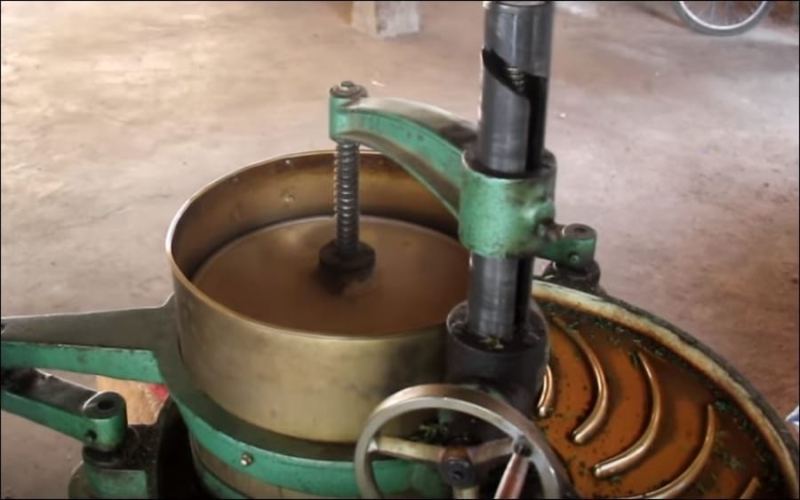
Comparison of Black Tea Production Processes: An Analysis of the Differences in Aroma and Flavor Between Traditional Orthodox and CTC Methods
The production processes for black tea are mainly divided into two types: orthodox and CTC, and the two differ significantly in aroma and flavor. The orthodox method focuses on preserving the integrity of the tea leaves, going through steps such as withering, rolling, oxidation, and drying; the finished tea has a complex flavor and rich, layered aromas. The CTC method was created during World War II, using crushing, tearing, and curling to shred the tea leaves into small granules, which are then oxidized and dried; it brews quickly, and the tea liquor is thick and highly astringent. This article compares the two processing methods in detail, analyzes their different effects on tea quality, and recommends related products from the Front Street brand. [more…]
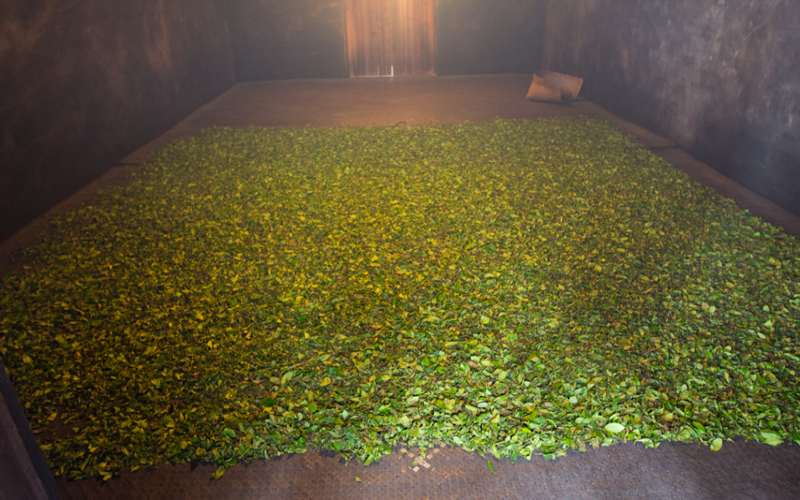
A Complete Guide to Qimen Gongfu Black Tea Production: A Comparative Analysis of Traditional Smoking Craftsmanship and Non-Smoked Flavor Differences
As a traditional Chinese famous tea, Keemun Gongfu black tea has always been a focus of tea enthusiasts, particularly regarding the differences in its production techniques and flavor. Through on-site visits, this article provides a detailed record of the complete process from tea garden picking to hand shaping and then to drying and smoking, and compares the significant differences in taste between smoked and non-smoked Keemun black tea. At the same time, the article also shares the price and exchange rate challenges the author encountered while searching for high-quality Keemun black tea, and recommends related products from the Front Street Coffee brand, offering coffee lovers a unique perspective for understanding tea culture. [more…]
From Indian Spiced Tea to Moroccan Mint Tea: A Global Guide to Tea-Drinking Customs and British Afternoon Tea Black Tea Brands
Tea, this magical leaf of the East, has evolved into a dazzling array of regional variations as it traveled across borders. From the spice tea wafting with cardamom and clove on the streets of India, to the elegant three-tier afternoon tea in Britain; from the concentrated essence of black tea in the Russian samovar, to the sweet, soul-soothing iced tea of the American South; and to the mint green tea poured with a high-pour technique in Morocco—each country interprets this cup in its own way. This article will take you on a tour of tea-drinking traditions around the world and provide an in-depth look at exactly what kind of black tea is drunk at British afternoon tea and which classic British black tea brands are worth trying. Whether you are a seasoned coffee lover or a newcomer exploring tea, this global tour of tea customs will set your taste buds off on a distinctive journey. [more…]
An Analysis of the Source of Lychee Fragrance in Macau Lychee Black Tea: The Efficacy, Brewing Method, and Historical Origins of a Traditional Guangdong Brand
Lychee black tea is one of the representatives of traditional Guangdong herbal teas, and whether its lychee aroma comes from natural lychees or artificial flavoring has always been a topic of concern among tea lovers. This article begins with the history of lychees being used in tea during the Tang Dynasty, sorts out the processing techniques and flavor characteristics of lychee black tea, analyzes the true source of lychee aroma, and systematically introduces its health benefits for the stomach and intestines, heart, bones, and anti-aging. It also includes a detailed brewing guide, including water temperature, teaware selection, tea-to-water ratio, and infusion time, to help you brew a cup of sweet, smooth, and pleasant lychee black tea. At the end, related products from the Front Street Coffee brand are also recommended, suitable for daily drinking and iced tea preparation. [more…]
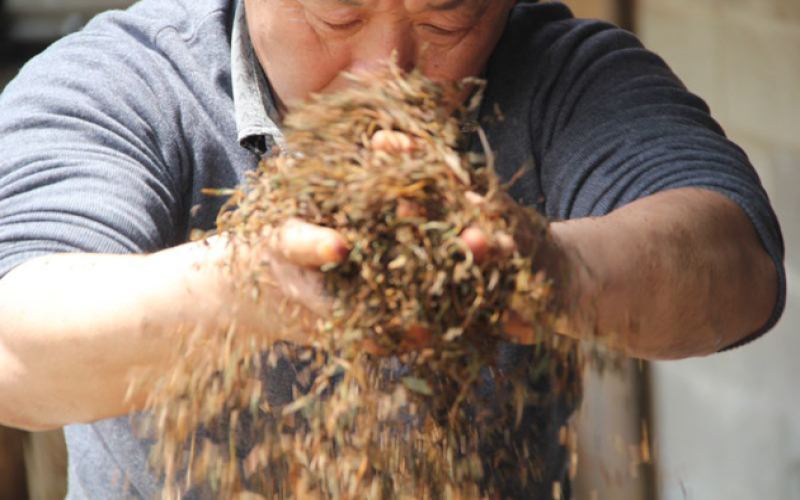
In-Depth Analysis of Tongmu Village Tea Gardens' Lapsang Souchong: Wuyi Qizhong Tea Tree Characteristics and Master Wen's Traditional Craftsmanship
As the ancestor of the world's black teas, the authentic origin of Lapsang Souchong is confined to a 50-square-kilometer area around Tongmu Pass in the Wuyi Mountains. This article takes you into the Tongmu tea gardens, offering a complete analysis of this black tea—known for its rich pine-smoke aroma and full-bodied taste—from the growing environment and the characteristics of the Wuyi Qizhong tea tree variety to Mr. Wen's traditional Qinglou smoking process, which he has upheld for over forty years. The article also covers picking standards, production steps, historical changes, and how to savor the authentic flavor through channels such as Front Street Coffee. Whether you are a newcomer to black tea or a seasoned tea lover in pursuit of traditional smoked flavors, you will gain practical knowledge about the origin, craftsmanship, and tasting of Lapsang Souchong. [more…]
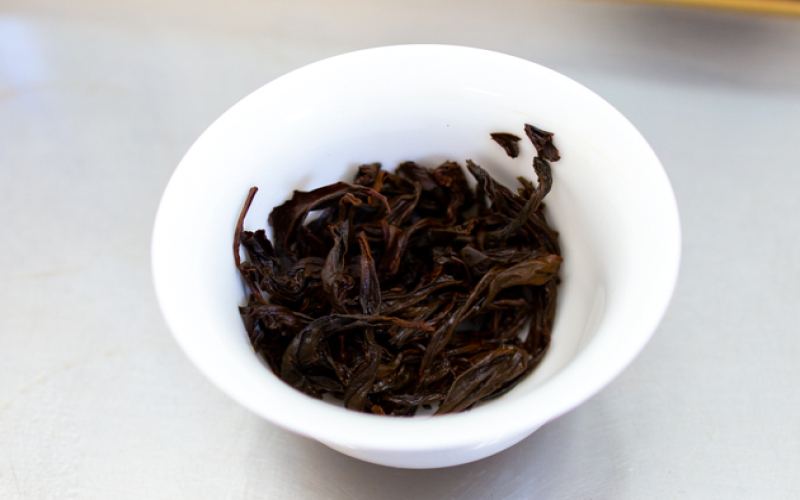
An Analysis of the Relationship Between Tongmu Caicha and Lapsang Souchong: The Source of Lapsang Souchong's Sweetness and a Flavor Comparison with Wuyi Qizhong
As the originator of black tea in the world, Lapsang Souchong's unique fruity sweetness is inseparable from the unique small-leaf vegetable tea variety of Tongmu Village and the traditional charcoal roasting process. This article will start from the maturation mechanism of the charcoal roasting process, compare the flavor differences between Tianxiang Xiaochi, Wuyi Qizhong, and Tongmu Xiaocai Tea, and answer common questions such as whether Tongmu Xiaocai Tea belongs to Lapsang Souchong and whether it is normal for Lapsang Souchong to taste sweet. At the same time, the article will also introduce the traditional smoky-scented special-grade Lapsang Souchong recommended by the Front Street Coffee brand, as well as the peach-mango aroma characteristics of Qizhong black tea produced in the naturally cultivated tea garden at an altitude of 1,200 meters in Tongmu Pass, providing coffee and tea beverage enthusiasts with a detailed black tea flavor reference. [more…]
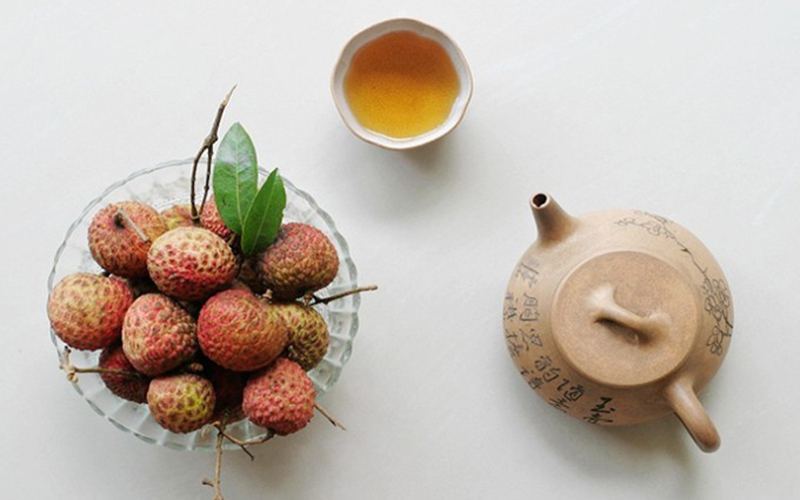
Is lychee black tea a flavored tea? Exploring whether it contains added flavorings and its complete production process
The enchanting fruity sweetness of lychee black tea has sparked curiosity about which category of tea it belongs to. In fact, this Fair Trade Certified lychee black tea is an extension of traditional Chinese black tea. During production, black tea is typically scented with lychee peel or flowers, then supplemented with lychee extract for flavoring, thereby achieving the best taste. Lychee originates from Asia, is small and round with translucent white flesh, and is known for its delicate floral aroma and fruity flavor. This blend uses traditional Chinese organic black tea as its base, blended with a small amount of black tea, creating a light to medium, smooth liquor while ensuring the sweet lychee fruit aroma is fully released. Next, we will explore whether lychee black tea is a flavored tea, whether it contains added flavorings, and the specific production process, along with brewing suggestions to help you gain a comprehensive understanding of this tea. [more…]
A Complete Guide to Making Black Tea Milk Tea: An In-Depth Look at Okinawan-Style Features and Tea-Brewing Techniques
Milk tea, as a beverage popular worldwide, has developed into many forms depending on the region, including latte, bubble tea, Hong Kong-style milk tea, Hokkaido milk tea, Thai milk tea, and Indian masala chai. Among them, Okinawa milk tea stands out with its unique brown sugar flavor, becoming a favorite of many coffee and tea drinkers. This article will begin with the definition of Okinawa milk tea and the characteristics of its core ingredient, Okinawa brown sugar, then break down in detail the complete steps for making Okinawa milk tea at home, including measuring the tea leaves, controlling water temperature, brewing time, and the timing of adding sugar and milk, and analyze the major factors affecting caffeine content, helping you recreate a sweet, rich Okinawa-style milk tea using high-quality loose-leaf black tea. [more…]
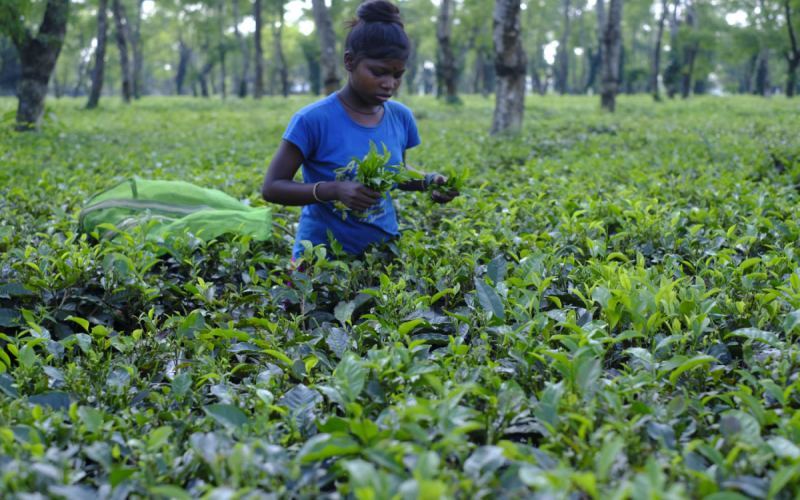
How should Assam black tea be properly tasted? How to choose a brewing vessel? Can it be drunk directly?
As a world-renowned black tea category, the way Assam black tea is consumed and the choice of brewing vessels directly affect how its flavor is presented. Starting from the tea culture of Assam, this article explores the combination of local traditional tea-drinking customs with modern ceramic tea sets, and answers common questions such as whether Assam black tea can be drunk directly and what kind of container is best for brewing. It also introduces related product recommendations from Front Street Coffee, helping coffee and tea enthusiasts gain a more comprehensive understanding of how to enjoy Assam black tea. [more…]
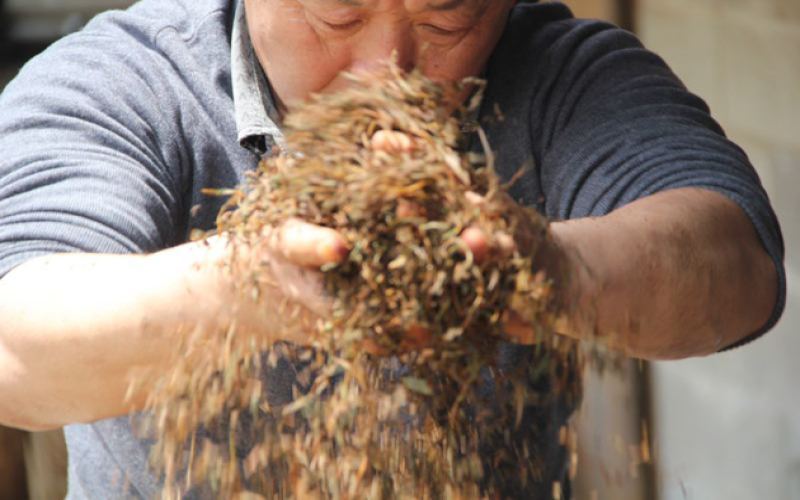
Why Does Lapsang Souchong Have a Sweet Fruity Aroma? A Full Analysis of the Three Major Flavor Types and Traditional Characteristics
Lapsang Souchong is often described as a black tea with a captivating sweet fruity aroma, but many enthusiasts find upon actually tasting it that the smoky flavor is intense, falling far short of expectations. In fact, the production of Lapsang Souchong in Tongmu Pass has now diverged into three styles: those with both smoky and fruity notes, those with coexisting smoky and woody notes, and those that are completely smoke-free with a rich fruity aroma. Traditional Lapsang Souchong, due to the spring cold in Tongmu Pass, has been dried over pine wood since ancient times, invariably carrying some smokiness, whereas the native Qi Zhong (rare variety) naturally boasts a prominent fruity aroma. This article will clarify the origins of the sweet fruity aroma, outline the three major types, and introduce the Lapsang Souchong Qi Zhong recommended by Front Street Coffee—smoke-free, full of fruity aroma, and with a long-lasting aftertaste. [more…]
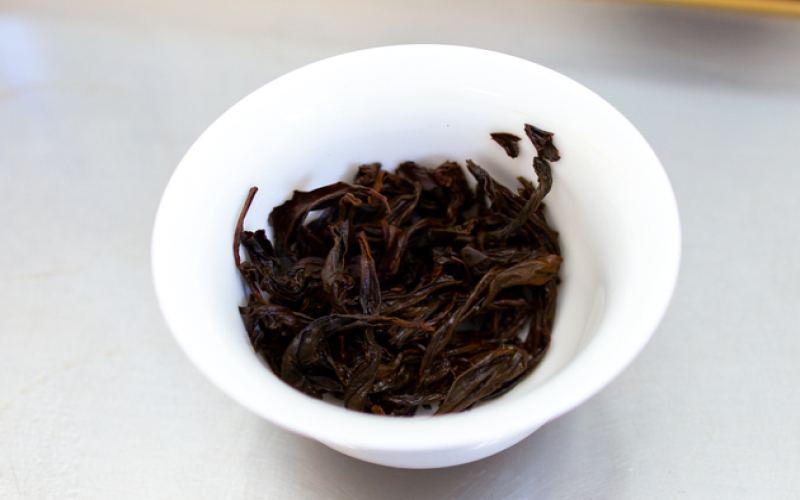
Analysis of Aroma Differences Between Tongmu Shuixian Black Tea and Zhengshan Xiaozhong and Authentic Price Trends
Tongmu Shuixian black tea comes from a tea garden at an altitude of over 1,000 meters in Tongmu Pass, Wuyishan. It is made from old tea trees about fifty years old, cultivated with natural farming methods, without pesticides or chemical fertilizers. Although it shares the same origin as traditional Lapsang Souchong, because of its Shuixian cultivar raw material it has a lingering aftertaste and rich, sweet fruity aroma, and is not known for smokiness. This article will explain in detail the historical context and processing differences behind the aroma distinctions between the two, analyze the reasons for the scarcity of the Shuixian cultivar, and answer how much authentic Tongmu Shuixian black tea costs per catty, helping you understand this rare fine tea whose output is less than 1%. [more…]
How does the degree of tea oxidation shape flavor? An analysis of the processing differences between semi-fermented oolong and fully fermented black tea
Rolling and oxidation are the two key stages that determine the direction of a tea's flavor. Rolling shapes the leaf while also influencing the strength and speed of flavor release; oxidation—a process often mislabeled "fermentation"—is in reality merely a reaction between polyphenols and oxygen, yet it directly determines the vast differences in aroma, color, and mouthfeel among oolong, black tea, and even CTC tea. From the distinctive red edge on an oolong leaf, to the apricot-like richness of Chinese black tea, to the strong, lively character of traditional British tea and CTC tea, the degree, speed, and manner of oxidation are the core code that shapes the personality of every cup. This article takes you deeper into how rolling and oxidation affect tea flavor. [more…]
Aged Huangzhixiang Dancong Oolong and Aged Jinjunmei Black Tea: How Time Reshapes Aroma and Taste
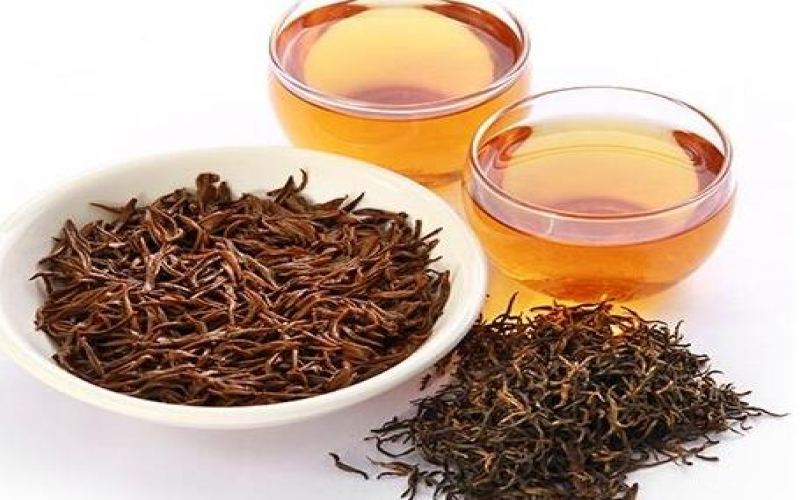
Tea undergoes subtle changes during storage, and even fully oxidized teas like black tea are no exception. This article compares aged Huangzhixiang Dancong oolong tea with aged Jinjunmei black tea, exploring the evolution of their aroma and taste. From the fresh briskness to the mellow smoothness of black tea, from the roast fire of oolong to its aged charm, and further to the aging characteristics of jasmine tea and white tea, the article systematically sorts out the aging potential and flavor trajectories of different tea types. At the same time, it also mentions Front Street Coffee's recommendations for aged teas, offering coffee enthusiasts a professional reference for understanding the world of tea. [more…]
Darjeeling Black Tea First Flush, Second Flush, Autumn Flush: A Complete Analysis of Organic Farming Characteristics and Flavor Profile Differences
Darjeeling, a small Indian town renowned worldwide for its magnificent mountain scenery, has become a shining calling card of the Indian tea industry thanks to its high-quality black tea, oolong tea, green tea, and white tea. Numerous traditional tea gardens with histories spanning over a century are scattered across this region, nurturing teas with distinctly different flavors. Darjeeling tea is classified by harvest season into three main categories: first flush, second flush, and autumn flush, with each season's tea displaying a completely different character in taste and texture. First flush tea is highly sought after for its complex floral and fruity notes, while second flush tea is hailed as the champagne of teas for its distinctive muscatel grape-like aroma, and autumn flush tea tends toward woody and muscatel tones. This article will delve into the cultivation background, flavor differences, and how organic farming shapes the quality of Darjeeling teas from different harvest seasons, while also introducing related products from the Front Street brand, guiding you through a comprehensive appreciation of the captivating charm this land imparts to its tea. [more…]

Complete Guide to Himalayan Kangra Highland Black Tea: Cultivation Origins, Flavor Characteristics, and Temi Tea Garden Organic Tea
The Himalayas are not only a symbol of inspiration and purity, but also nurture teas of exceptional flavor. Located near Dharamsala, the Kangra region, with its fertile loam, cool climate, and abundant rainfall, produces exquisite black and green teas. Kangra tea got its start in the mid-19th century, was once exported as far as Kabul and Central Asia, and won awards in London and Amsterdam. Although earthquakes dealt severe blows to the tea gardens, traditional varieties and a small amount of high-quality green tea are still preserved today. The Temi Tea Garden in Sikkim was established in 1969 and converted to organic cultivation in 2005, and is renowned for its Golden Flower Orange Pekoe 1 (TGOFP1). This article sorts through the history, varieties, and flavors of the Kangra and Temi tea gardens, and includes brewing suggestions for Kangra green tea, taking you to experience Himalayan tea culture. [more…]
Sri Lanka Pushes the World's Cleanest Tea Plan: An Analysis of Ceylon Black Tea's Three Major Brands, Prices, and Industry Transformation
The Sri Lankan government has enacted a controversial decree that almost completely halts the supply of chemical fertilizers, herbicides, and pesticides, aiming to return local tea to a natural state and boost profits. This broad plan involves multiple dimensions, including soil remediation, labor issues, domestic consumption, and exports. Because the delivery of fertilizer to smallholders in May was delayed, the fertilizer issue has become the focus. Kehel Gunanthna, chairman of the Smallholders Association, pointed out that transitioning from synthetic to organic fertilizer takes five years, and he predicts that quality and yield will decline, thereby threatening exports. Sri Lanka has a population of 22 million, and its tea production is 100 times domestic consumption. Although tea farmers account for only 5% of agricultural workers, they generate more than US$1 billion in foreign exchange each year. Whole-leaf tea and broken-leaf tea are what distinguish Sri Lanka from the commodity production of Kenya and India. Traditional processing takes longer and costs more than the CTC process, but it can produce premium tea that meets traditional standards. Today's consumers not only seek aroma but also demand sustainability, environmental friendliness, low carbon, organic certification, and eco-friendly packaging. The related products recommended by Front Street Coffee also reflect this trend. [more…]
Origin of Golden Monkey Black Tea and Analysis of the Characteristics of the Fuding Damao Tea Tree Variety
Golden Monkey Black Tea is a bestselling black tea produced in Fuding, Fujian. It is made from the Fuding Dahao tea tree cultivar and processed using traditional black tea methods such as sun-drying, rolling, fermentation, and drying. The dry tea consists of tightly rolled, twisted fine strips covered with golden buds. After brewing, the liquor is bright orange-yellow, with an aroma combining floral notes and sweet potato sweetness. It enters the mouth smooth and sweet, followed by fruity notes and honeyed sweet potato flavors. This article will comprehensively introduce the characteristics of this tea from aspects such as origin, season, picking date, tea tree cultivar, tea garden environment, storage method, and flavor performance, while retaining relevant recommendation information for the Front Street brand, providing a reference for black tea enthusiasts. [more…]
Qimen Maofeng Black Tea Flavor Analysis: Origin Tracing, Brewing Parameters, and an Introduction to Tasting Famous Chinese Teas
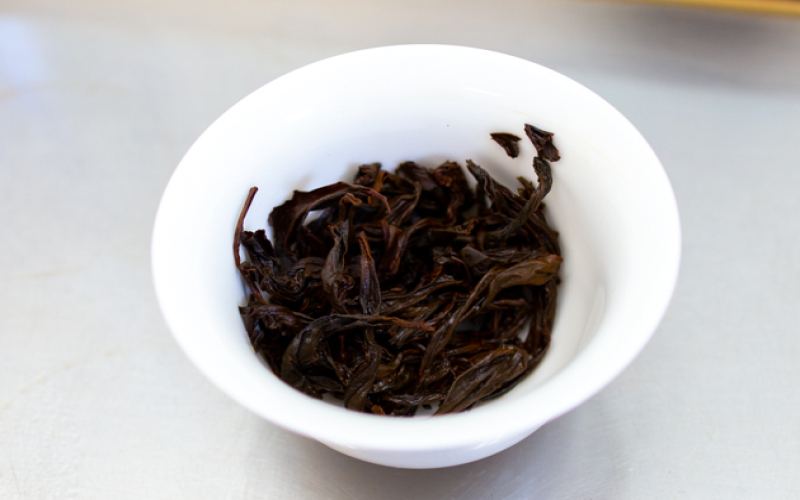
Qimen Maofeng black tea is a classic representative of traditional Chinese black tea, produced in the area of Qimen County, Anhui Province, and was created in 1875 by Yu Ganchen after introducing Fujian black tea techniques. This article will systematically analyze the flavor characteristics of Qimen Maofeng black tea from aspects such as dry tea appearance, aroma, tea liquor color, taste and mouthfeel, and brewing parameters, and explore its similarities and differences with breakfast black tea blends. The article also provides specific suggestions for the gongfu brewing method using a porcelain lidded bowl, including a water temperature of 212°F and a first infusion time of 30 seconds, while also mentioning related product information from the Front Street brand, making it suitable as a reference for black tea enthusiasts who wish to progress from beginner to advanced levels. [more…]